
AGH Solar Plane - Świerszcz
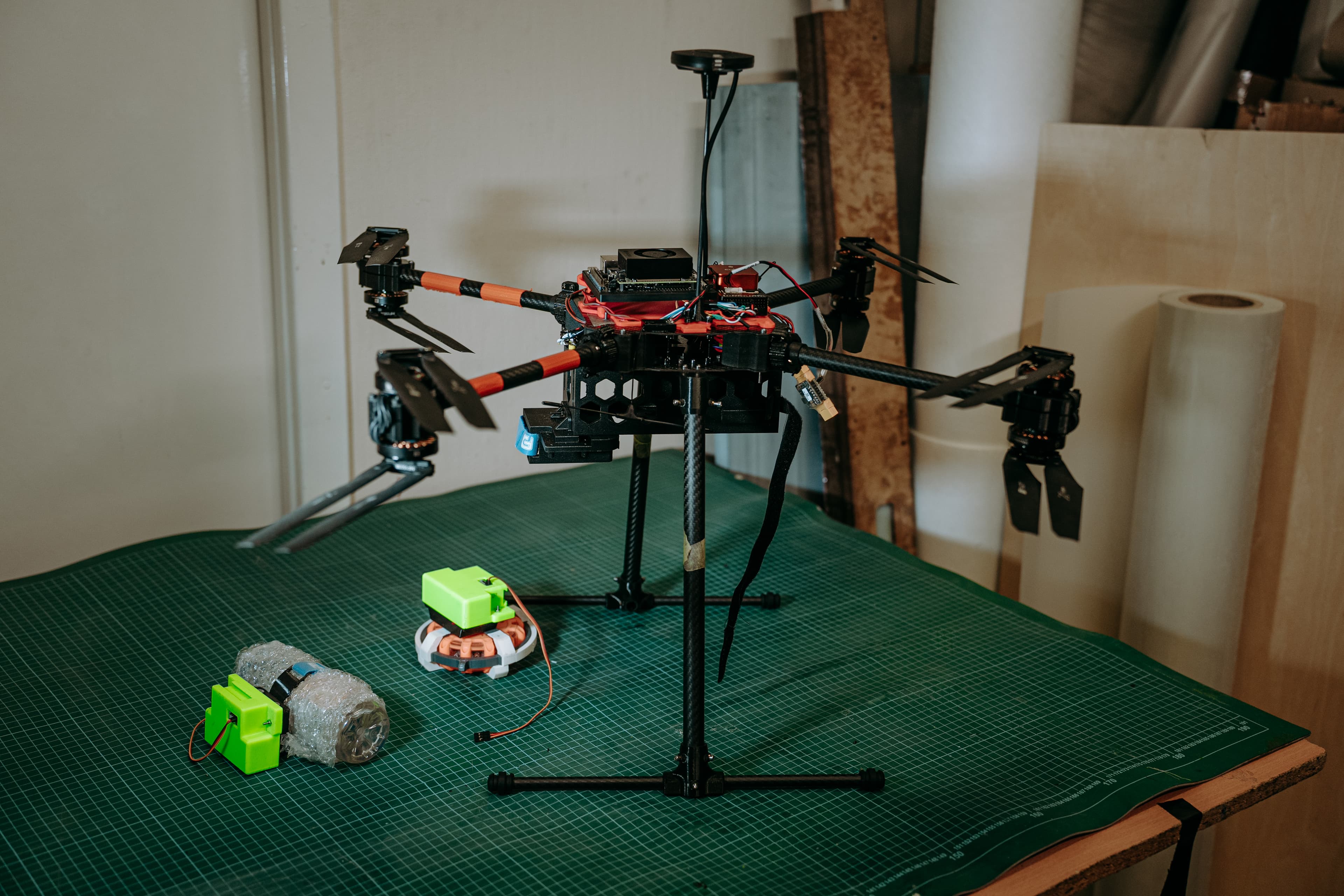
Świerszcz (Cricket) is a drone designed to locate and assist victims of natural disasters such as tornadoes.
Learn more about Świerszcz!See Świerszcz in Action
Watch behind the scenes of Świerszcz's development and the team behind its creation.
UAV Overview
Airframe & Weight
Arm layout
X
Frame material
Carbon fiber
Weight
10.6 lbs
Flight Performance
Max Speed
40 mph
Flight Time
30 minutes
Max Range
6 miles
Battery
6S LiPo 12000mAh (3x 2S SLS XTRON 12000mAh)
Motors & Propulsion
Motors
8x T-Motor MN4006 KV380
Propellers
8x T-Motor MF1503
Communication & Navigation
Communication
2.4 GHz and 900 MHz
Navigation System
Here 3+ GNSS
Flight Controller
Pixhawk Orange Cube
Compute & Perception
Camera
ArduCam 2,3 MPx AR0234
Supporting Camera
GoPro 11
Compute
NVIDIA Jetson Orin 8GB
Payload & Delivery
Payload Protection
3D printed case & parachute
Delivery Mechanism
Custom servo-based release system
Milestones
Follow our journey from concept to competition
Project Kickoff - Initial Concept and Prototype
The team began work on the Świerszcz concept. Initially, the plan was to create a 4-motor drone with a large body that could accommodate a significant amount of electronics on board. However, tests of the first prototype revealed that the drone was too heavy and energy-inefficient. As a result, the team decided to significantly reduce the body size and change the design to an 8-motor drone, which also allows for carrying payloads necessary for other missions undertaken by the team.
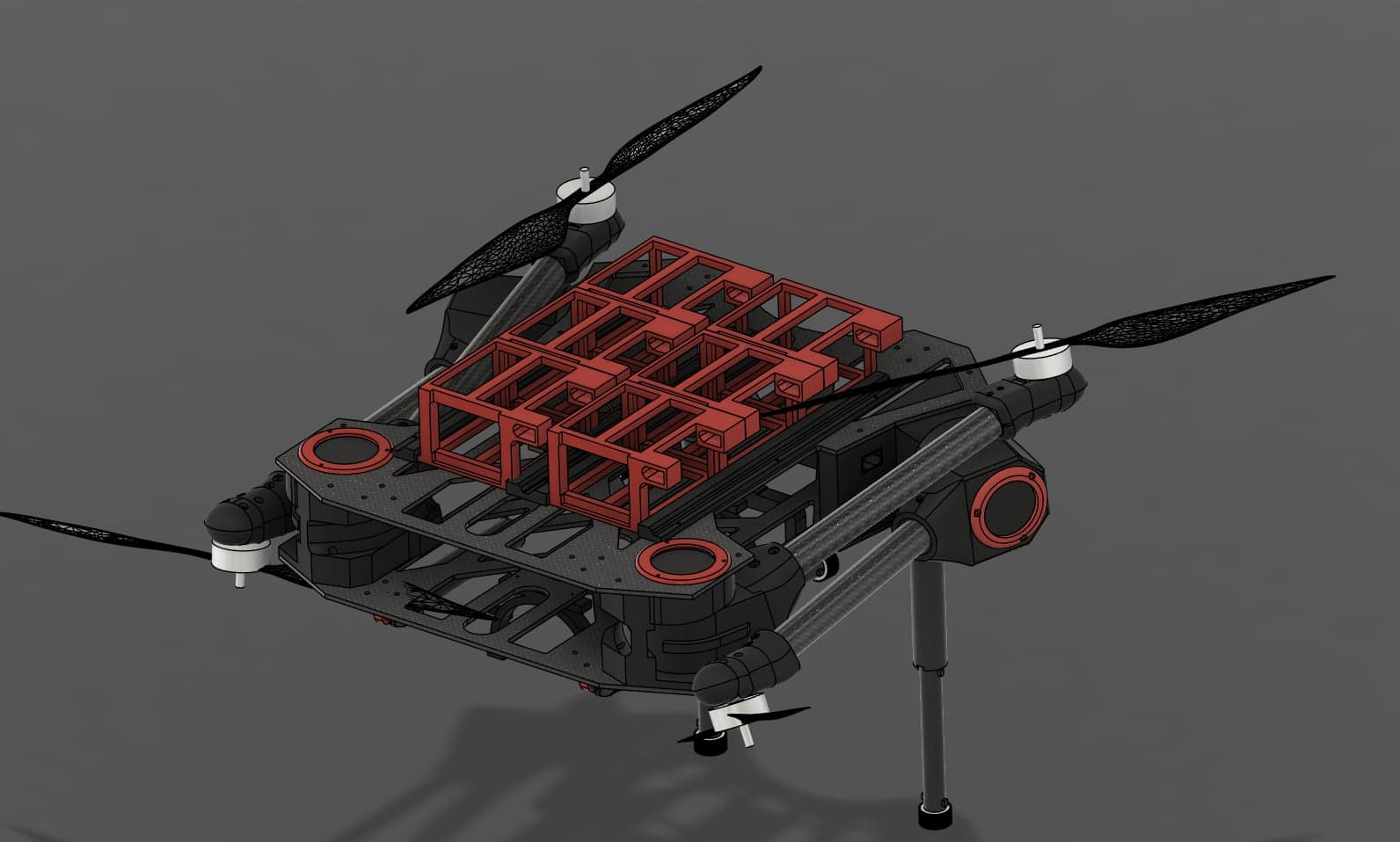
Second Project - 8-Rotor Concept
With the addition of a member from the AGH Drone Engineering Scientific Circle and their expertise in 8-motor drones, the team quickly developed a new drone design. They eliminated solutions that had failed in the previous prototype, avoiding repeated mistakes. Key components such as motors, propellers, and flight controllers were carefully selected.
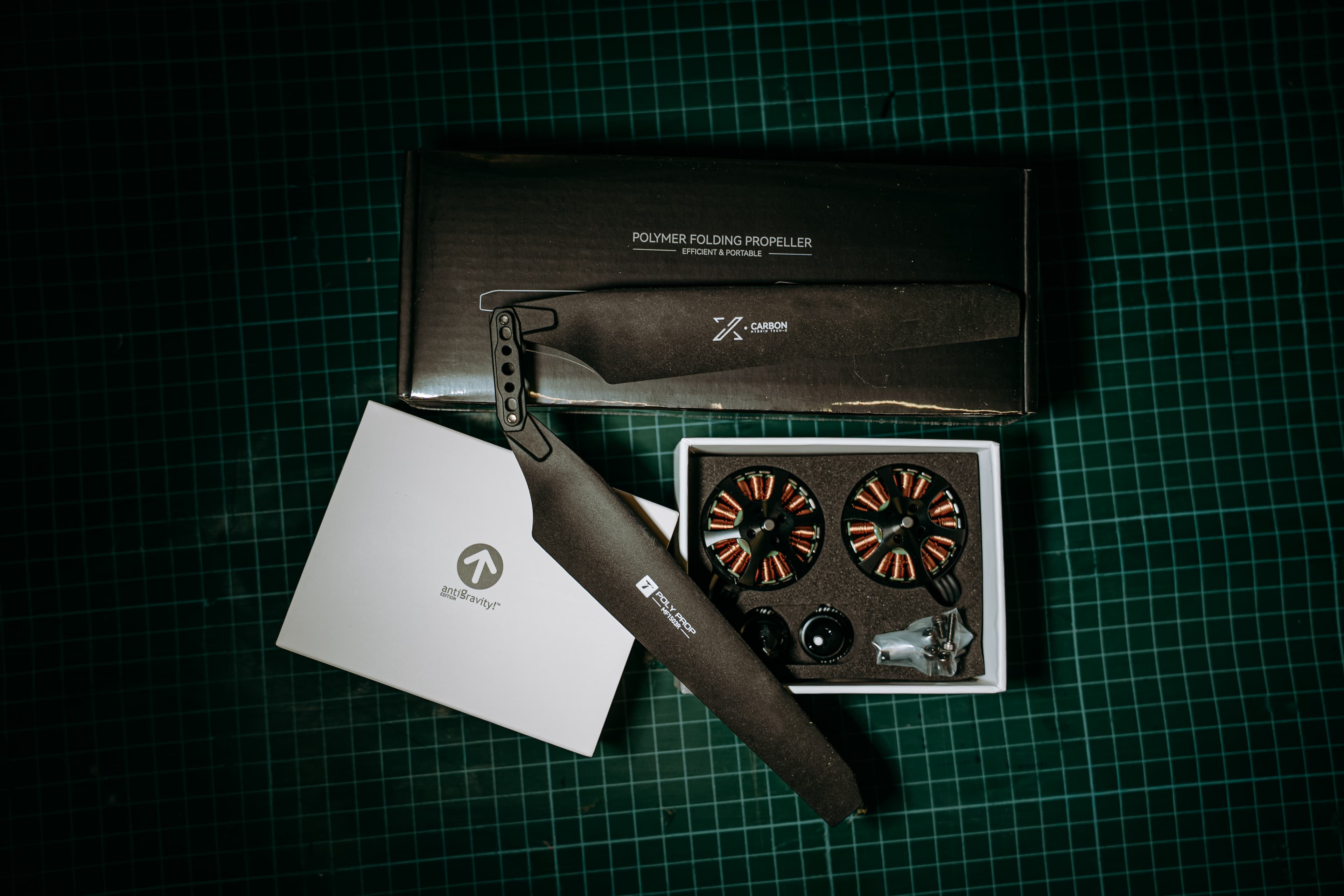
Prototype Construction and Filament Selection
After developing the new design, the team proceeded to build the prototype. They utilized 3D printing for rapid and cost-effective production of the drone's mechanical components. The team also conducted tests on various filaments to determine which would perform best under the drone's operating conditions. A comprehensive analysis of the selected filaments, including subsequent improvements, can be found below.
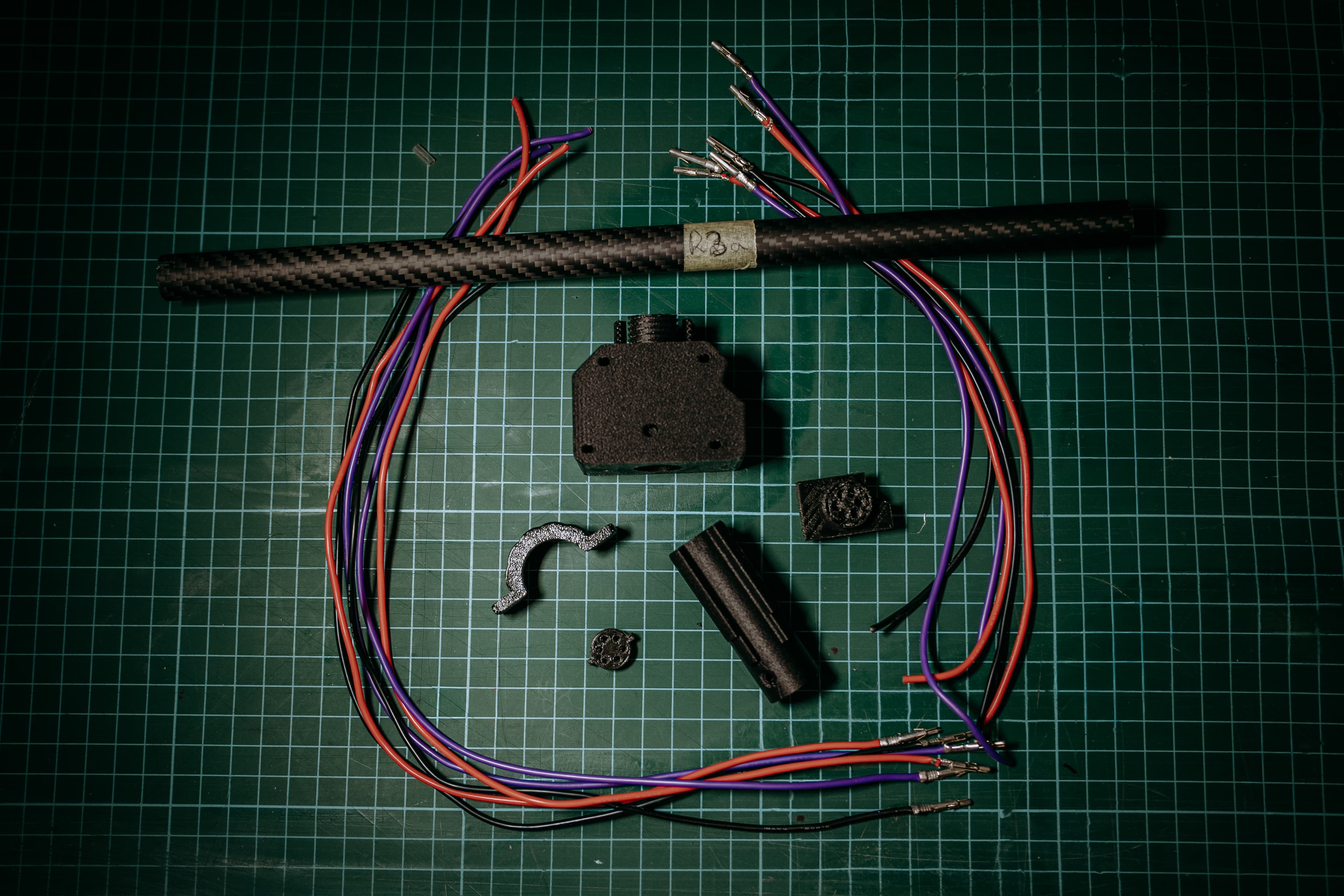
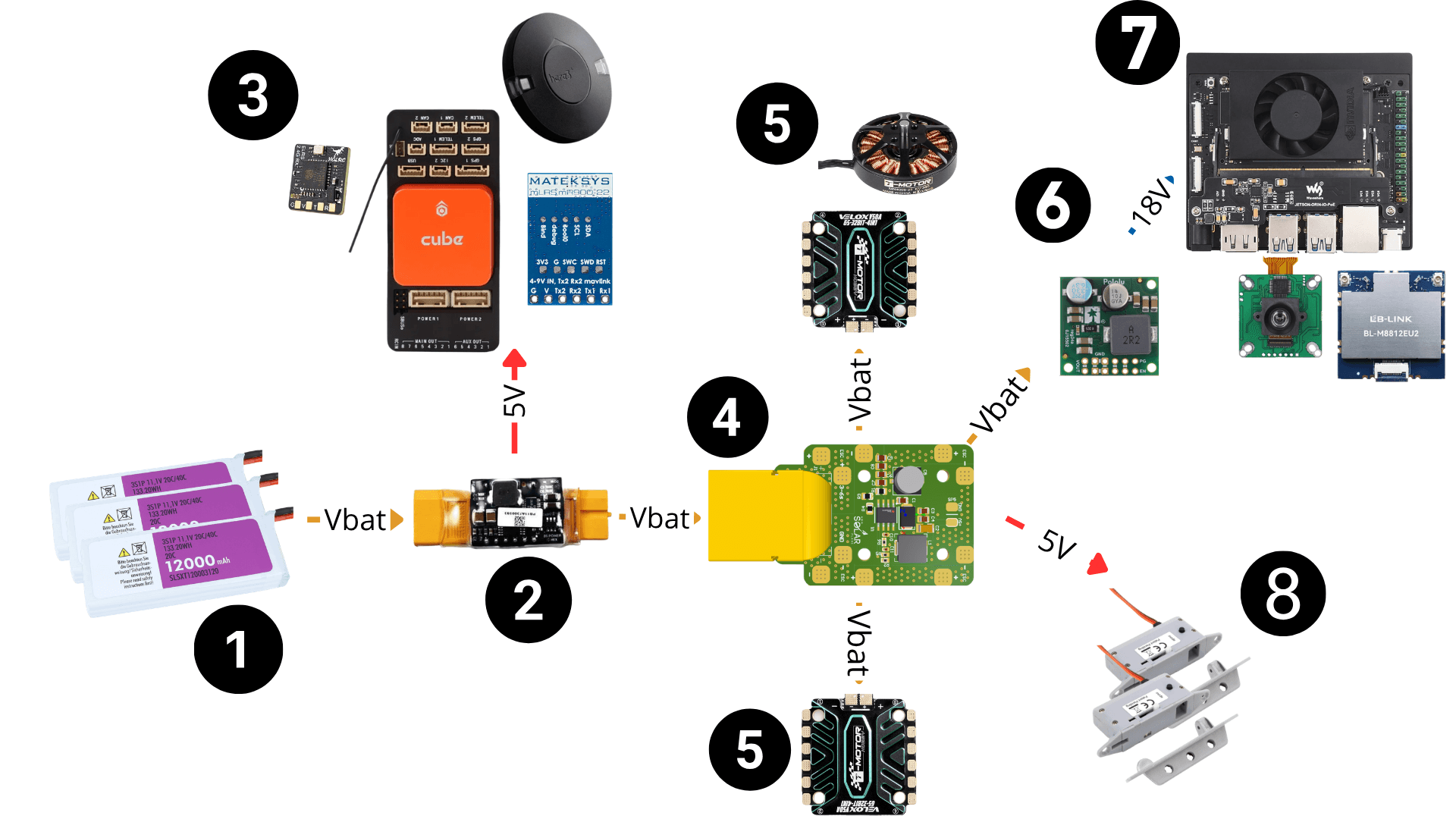
Design and Integration of Power Distribution System
The team developed and integrated a proprietary power distribution system, ensuring efficient energy delivery to all key components of the drone.
Development of Battery Bay Iterations
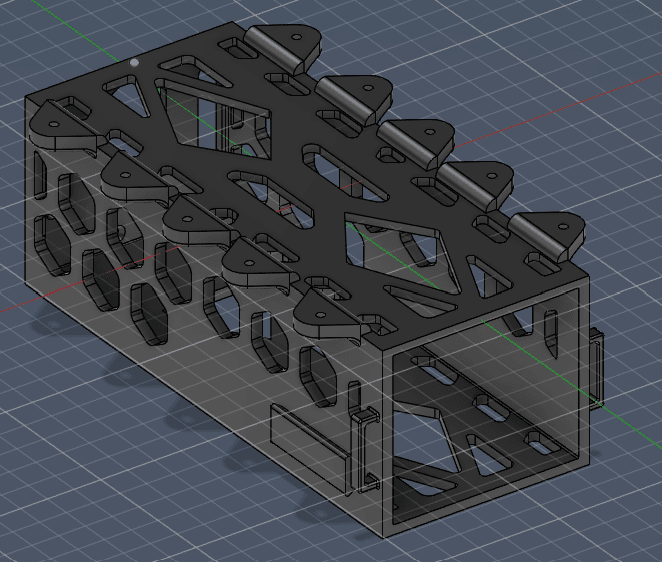
During this period, the team developed several iterations of the battery bay, which houses the payload release system. Initial iterations involved mounting the release system with screws, but this proved to be too time-consuming and impractical for drone operations. Consequently, a rail system was developed to allow for easy installation and removal of the payload release system.
Drone Maiden Flight and Project Concept Finalization
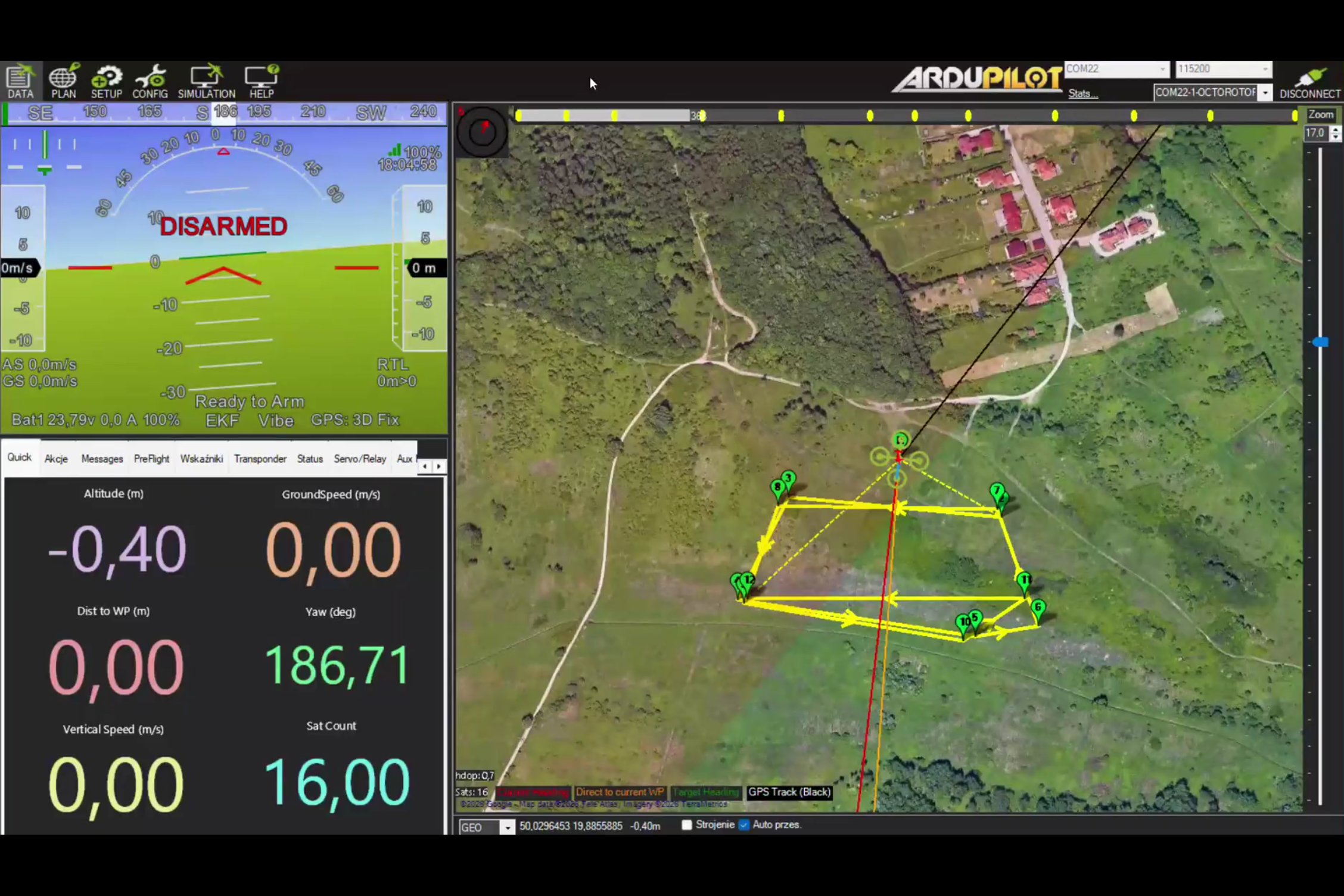
After assembling all drone components, the team conducted initial flight tests. These tests allowed for the assessment of flight stability and energy efficiency. A 'Proof of Flight Video' was created and submitted to the organizers of the SUAS 2026 competition.
Development of Drone Canopy Manufacturing Process
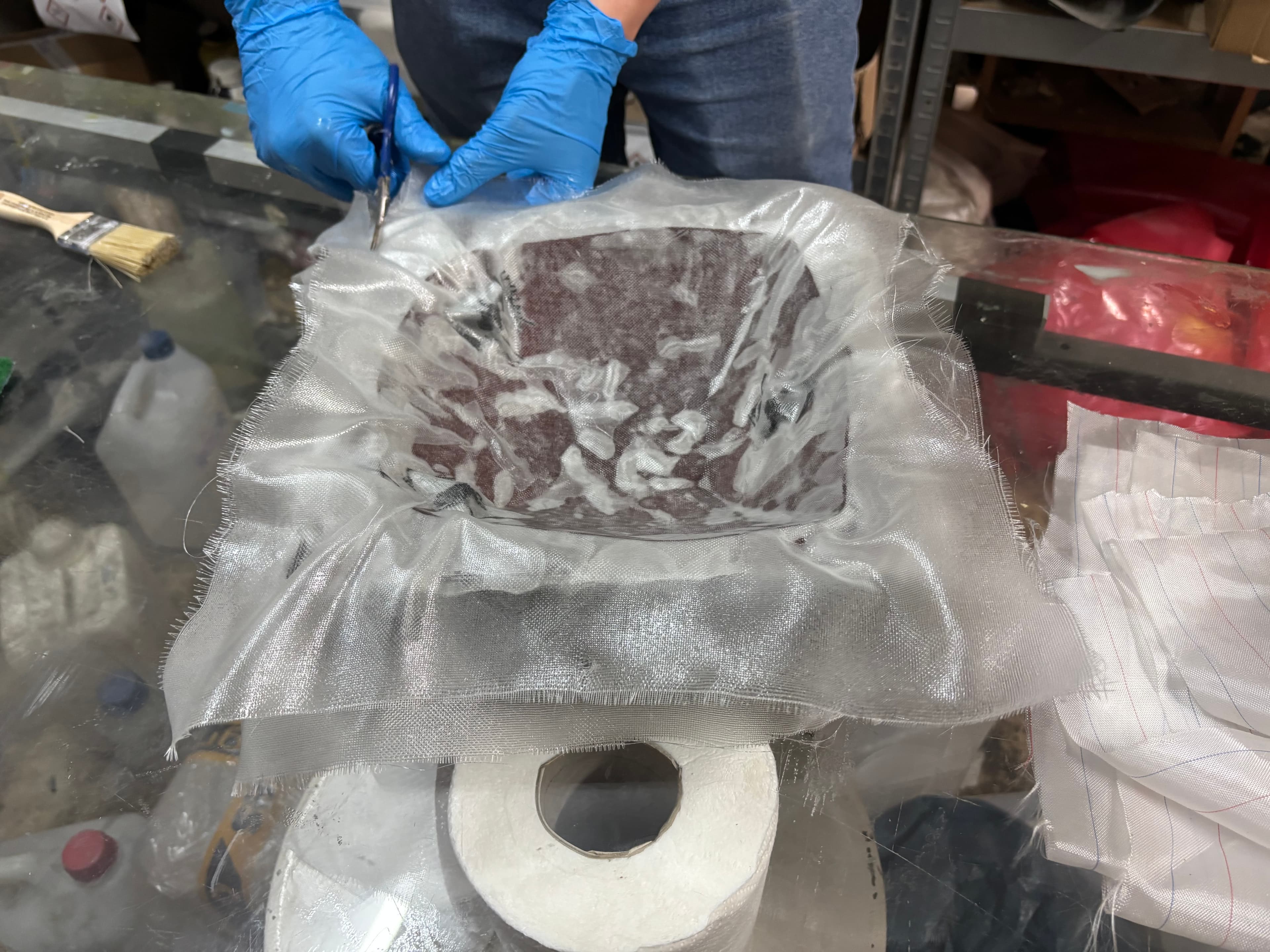
The first drone flight was conducted using a borrowed canopy that showed signs of damage. Consequently, the team developed a manufacturing process for the drone canopy that allows for quick and cost-effective production of a canopy nearly identical to the one used during the maiden flight. This involved 3D printing a mold, which was then used to laminate the canopy from fiberglass, resulting in a lightweight, durable, and mechanically resistant canopy.
Final Adjustments and Testing
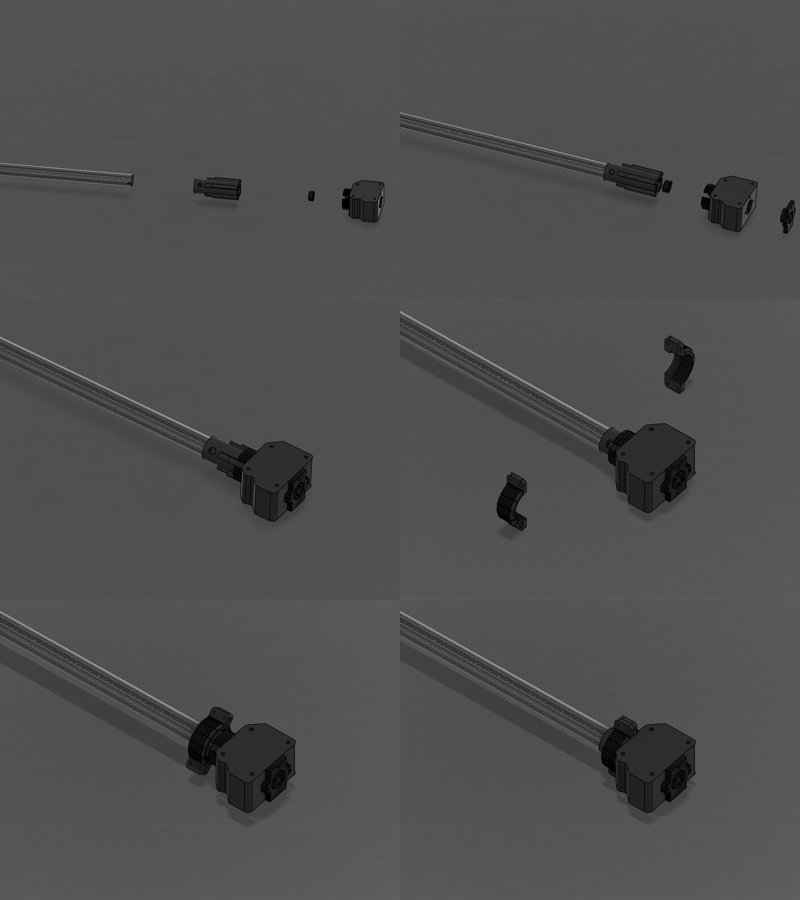
After finalizing the design and submitting the 'Proof of Flight Video,' the team made minor adjustments to the drone's construction, such as adding nuts to the arm design for additional protection against potential arm displacement. The final arm design has been documented below.
Development of Flight Trajectory Algorithms and Vision Systems
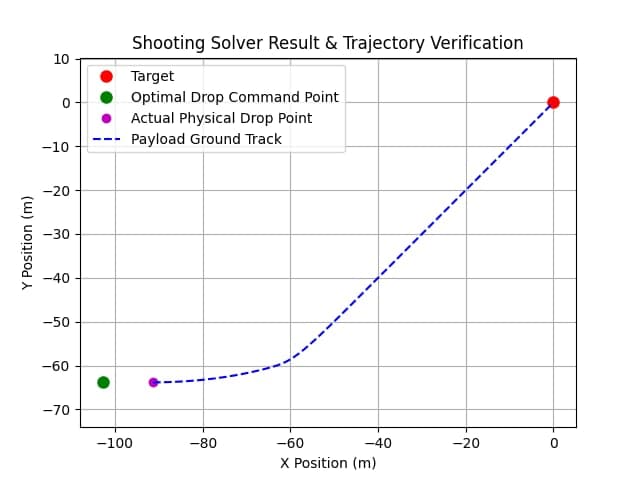
To determine the most accurate flight trajectory for payload drops, the team developed algorithms that calculate optimal drop trajectories based on atmospheric conditions, drone speed, and altitude. This involved computer simulations and flight tests. Simultaneously, vision systems were developed to locate disaster victims and determine their positions in the field.
SUAS 2026 Competition
The team will participate in the SUAS 2026 competition, which will take place in Tulsa, Oklahoma, USA.
Meet Our Team
The drone-crazy crew from AGH Kraków who built Cricket.
Project Management Division
Responsible for coordinating the project, managing timelines, preparing documentation, and ensuring effective communication among team members.
Izabella Rosikoń, Amelia Tomczyk